
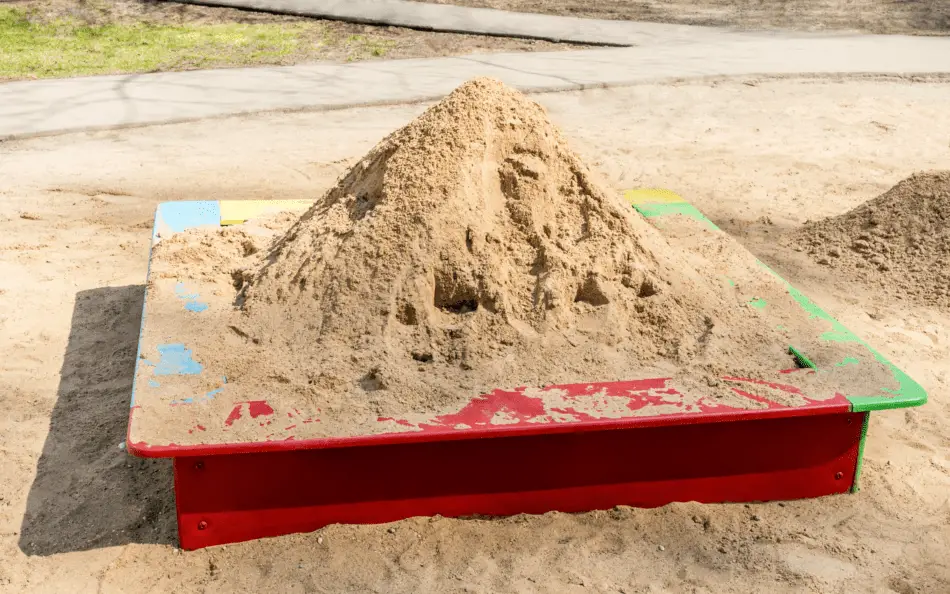
Sandboxes make one of the most enjoyable activities for children. Playing in a sandbox helps develop kids’ sensory, motor, cognitive, social, and emotional skills, which are fundamental to their growth. There are safer sandbox alternatives for conventional sand that children may enjoy while being safe. But, what is the best and safest sand for a sandbox?
The ideal sand for a sandbox is made out of a nontoxic, silica-free blend that keeps your kids safe as they play. Pick a product with the most enticing qualities for the kids, such as different colors or kinetic sand’s moldable, mess-free composition. Some of the best sand include classic sand and play sand, sandtastik sparkling white play sand, and kinetic sand, beach sand for squishing.
In this article, we will tackle the best sands to use in a sandbox. We will also cover some non-toxic alternatives and the benefits your children can get from having a backyard sandbox.
Things to Know about the Best Sand to Use in a Sandbox
When deciding on a material to soften the floor beneath a swing set or fill a sandbox, read about essential components, such as the sand’s kind, texture, and color. Doing so will help determine which alternative is the optimum sand for filling a certain sandbox.
Type of Sand
There are three types of sands that are commonly used to fill sandboxes:
-
Natural Sand
Natural, processed, and kinetic sands are the three varieties of sand usually used to fill sandboxes and sand tables.
Natural sand is often found on the beach or in the desert. It is formed naturally from eroded extremely tiny rocks. Natural sand is often coarser than processed or kinetic sand due to its formation. The sand is then washed and filtered before being packaged.
-
Processed Sand
Gravel pits and quarries produce processed sand. It is clean and safe for children after thorough cleaning and filtration. Some goods, however, may still include silica dust, which is dangerous if inhaled in significant amounts. For playing, stay away from these goods and stick to silica-free sand.
-
Kinetic Sand
Polydimethylsiloxane, a harmless silicone-based organic polymer used in soft clay products like silly putty, is applied to kinetic sand. This coating enables the sand to cling together, resulting in a moldable composition that may be used to construct structures in the sand without water. Kinetic sand, on the other hand, is often sold in smaller quantities and is costlier than natural or processed sand.
Texture of Sand
Sand comes in three distinct textures:
-
Natural Sand
Years of erosion have resulted in the formation of natural sand. While this type of sand is good, it is often coarser than processed or kinetic sand. When it’s time to go inside, though, the texture of this sand makes it easy to rinse off.
-
Processed Sand
Rather than being generated naturally through erosion, processed sand is created on purpose. Sandbox sand can be processed to the required level, then washed and rinsed by the manufacturer. When the sand is ready to use, it has a fine, smooth texture that may be used to make buildings, roads, and other creative sandbox features by adding some water.
-
Kinetic Sand
To eliminate pollutants, clean and filter the sand, and cover it with polydimethylsiloxane, kinetic sand goes through some operations. Without adding water, this coating provides sand with a smooth, almost velvety feel that makes it simple to shape, mold, and even cut. Kinetic sand is a terrific indoor play alternative, and the coating makes it easier to clean than other sorts of sands.
Color of Sand
Parents frequently overlook color since sand has a typical brown appearance, so they don’t look any deeper. But depending on the product, various color choices, such as red, green, blue, yellow, purple, and others, may be offered.
As most individuals have a particular taste in this area, it’s a good idea to ask the kids what color they would like for their sandbox. Some kits come in various colors if customers can’t settle on one.
In the sandbox, white sand looks fantastic, and any bugs, excrement, or garbage show out against the white backdrop, making it easy to keep the sand clean. A sandbox can always be filled with tan or white sand, then complemented with some sets of colored materials for molding and construction.
Sandboxes are a lot of fun for little kids. However, cleaning them is not as fun as playing in them. One of the things that you will have to deal with when it comes to sandboxes is wet sand. If you don’t want to go through the hassle of drying a lot of sand, we have a guide to keeping water out of your sandbox that you can follow.
Best Sands for Your Sandbox
Load up the sandbox with the appropriate sand and you will see your kids develop a universe of their own. A sandbox supports children’s creative development while also exercising their fine motor abilities, which improves hand-eye coordination and muscular control.
However, not all types of sands are suitable for your child’s sandbox. The sand used in construction is rougher and potentially dangerous to children and does not go through the same cleaning and processing as sand used in sandboxes.
To keep your kids safe while encouraging them to play outside, the ideal sand for sandbox play should be free from any form of potentially harmful elements, like silica dust. Here’s the list of silica-free alternatives that will keep your kids safe when playing in the sand.
Calcean BAHA Natural Play Sand
The Calcean BAHA Natural Play Sand packet of natural sand is a good choice for children since it has a coarser texture that is simple to rinse off when it’s time to go inside. When wet, this sand can also be formed into little forms and buildings, allowing kids to express their imagination and create their own worlds.
The natural sand was collected directly from the Bahamas’ ocean floor and beaches. The sand is also harmless, dust-free, and silica-free. Parents won’t have to worry about their children inhaling dangerous particles while playing.
Kinetic Sand, Construction Site Sandbox Playset
This kinetic sand store playset is polydimethylsiloxane-coated kinetic sand in a traditional tan hue. This coating gives it a soft, stick-to-it feel, making it easy for children to do sand art, build castles, and play with the toys and shapes included in the kit.
It’s a unique, engaging product that can be used indoor or outdoor, and kids can sculpt the sand without adding water, avoiding the chances of making a major mess inside the house or on the patio.
Sandtastik Sparkling White Play Sand
Processed sand for sandboxes, such as this one from Sandtastik, is particularly designed for children’s play, and thus, pours freely while dry but conforms nicely once wet. Feldspar rock is used to make sand, which gives it a bright white tint. Before packaging the sand inside the sealed container, the manufacturer grates and washes the silica-free product to eliminate any potential pollutants.
The white hue contrasts with leaves, grass, bugs, and other debris that may fall into the sandbox, making it easy to clean up and keeping it safe to play in.
Classic Sand and Play Sand for Sandbox
Classic sand and play sand consist of a 40-pound bag of natural sand that may be used in various ways. Both dry and wet play is possible with this product. When completely dry, the sand has a fine texture that makes picking it up without a shovel, bucket, or another container impossible. It becomes moldable when wet, allowing children to construct towers, castles, and other buildings.
Natural sand has a traditional brown tone and may be used for landscaping, gardening, crafts, and even as a reptile habitat. To eliminate impurities, it is grated and washed. The company then dries the sand to prevent mold from growing. This non-toxic natural sand is clear of dust particles, keeping kids safe while they play in the sandbox.
Kinetic Sand, Beach Sand for Squishing
With this kinetic sand store in a traditional tan hue and polydimethylsiloxane covering, you can bring the pleasure of a sandbox into your house. The coating makes the sand cling to itself rather than the table, floor, or children, making cleaning a little easier. Kids won’t need to add water to make castles, buildings, or other sculptures or sand art since the sand has a kind of gooey quality.
This kinetic sand’s granules are bigger than those of processed or natural sand, and the coating allows the sand to cling to itself, giving it the same moldability as genuine sand. The sand does not form dust during play due to its bigger grain size and polydimethylsiloxane covering, making it safer and more enjoyable for kids with respiratory difficulties or allergies to sand and dust.
National Geographic Play Sand Combo Pack
Kids can make multicolored sand paintings, design unusual landscapes, and build towers with this National Geographic variety pack of kinetic play sand. It comes with six molds that may be used to make castles, pyramids, and other structures without using water.
The smooth texture of this sand is gentle to the hand, and kids can mix and match the three colors to make creative sculptures or patterns. The sand is safe and coated with a polydimethylsiloxane layer that causes it to clump together.
Since this coating does not dry out over time, children do not need to store it in a sealed bag when they are playing with it.
Some regularly used sand for children’s sandboxes may contain tremolite, a kind of asbestos fiber, according to a study conducted by Upstate Medical University. Asbestos can be found in soil and rocks. For various reasons, producers have found these mineral fibers to be effective.
When asbestos fibers are touched or injured, they quickly break down into little fragments. They’re too little to see and easy to breathe through. They can accumulate in your lungs, causing health issues. According to the report, these compounds are commonly found in sand purchased from your local hardware shop or large box merchants.
However, crystalline silica is a mineral found in many natural components and should not be a source of concern for parents. This item is made of the same silica that can be found on beaches. The problem with silica is that it may be breathed if it is too small or “dusty,” which is why it is dangerous. However, it is seldom hazardous when inhaled in little doses. The finer the sand, the greater the chances of your kid breathing the dust it generates.
When it comes to building your own sandbox, the one of the main materials that you will need is wood. To build the frame of your sandbox, you need to choose between treated and untreated wood. Since treated woods are processed with chemicals, can you use treated lumber for a sandbox? Read our article to find out.
Conclusion
Playing in a sandbox helps your children develop some skills that are vital for their growth. However, it is important to choose the best, safest, and healthiest sand for your children’s sandbox. With this article, you are given an idea of how to choose the right sand type and the most suitable product for your kid’s preference and usage.
Aside from getting good quality sand for your sandbox, you also need to regularly clean this play area to make sure that it is safe for your kids to use. Maintain the sand by raking it periodically to remove any debris and check it for pests or animal waste. Cover the sandbox whenever possible when not in use, but make sure the sand is completely dry when covering it. By doing these steps, you will be able to ensure the cleanliness and quality of your sandbox.