
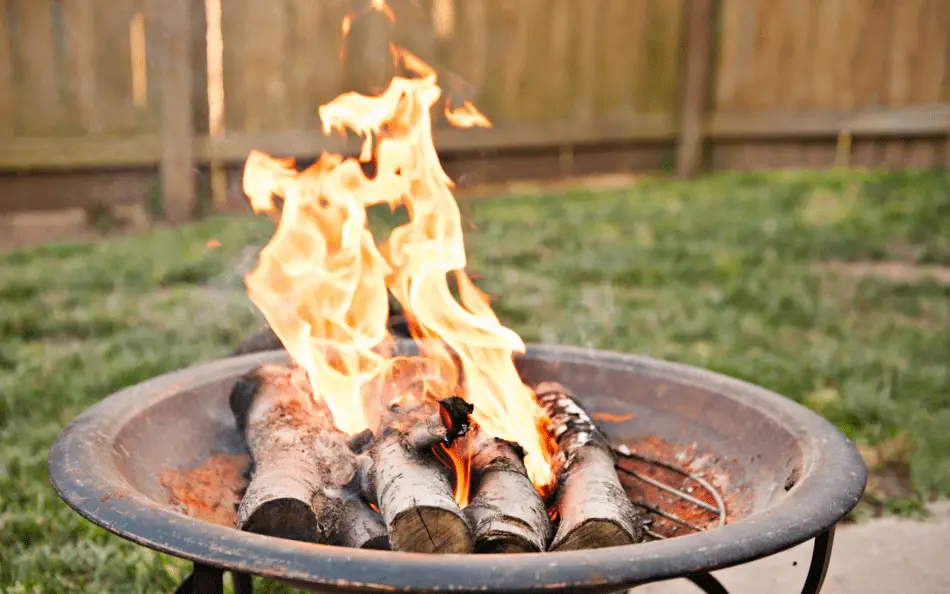
Yes, you can put a fire pit on a patio — but only if the surface is properly protected and safety clearances are respected.
Wood-burning fire pits can damage concrete, stone, and especially wooden decks if heat protection is not used. Gas fire pits generate less radiant heat but still require ventilation and clearance.
Before placing a fire pit on your patio, here’s what you need to know.
Will a Fire Pit Damage a Patio?
Concrete Patios
Concrete does not burn, but prolonged high heat can cause:
- Surface discoloration
- Hairline cracking
- Spalling (surface flaking)
- Moisture-related expansion damage
Wood-burning fire pits pose the highest risk due to intense downward heat and falling embers.
Wood Decks
Wood surfaces are highly vulnerable. Direct placement can cause:
- Scorching
- Warping
- Fire hazard from stray embers
A wood-burning fire pit should never sit directly on a wooden deck without a protective barrier.
Composite Decking
Composite materials can melt or deform under sustained heat exposure. Always use a heat shield or fire-resistant barrier.
How to Protect Your Patio
1. Use a Fire Pit Mat or Heat Shield
Fire pit mats are made from heat-resistant materials that block radiant heat transfer to the surface below.
2. Elevate the Fire Pit
Choose a model with legs or airflow underneath. Raising the base reduces heat concentration.
3. Add a Layer of Sand (Wood-Burning)
Placing several inches of sand inside the fire bowl helps reduce bottom heat transfer.
4. Use Pavers or a Non-Combustible Base
For wooden decks, install a layer of stone pavers beneath the fire pit for added protection.
Clearance Requirements
- At least 10–20 feet away from structures (check local codes)
- Away from overhangs and low tree branches
- Keep furniture and cushions well clear
Wind conditions should always be considered before lighting a fire.
Wood vs Propane Fire Pits on a Patio
Wood-Burning Fire Pits
- Higher heat output
- Produces sparks and embers
- Greater surface damage risk
Propane Fire Pits
- Controlled flame
- No flying embers
- Lower surface heat transfer
- Still requires ventilation
Propane models are generally safer for patios, especially on composite or wood decking.
Things to Consider Before Installing
Budget
Portable fire pits start around $100–$300. Permanent built-in fire pits can exceed $4,000 depending on materials and labor.
Permanent vs Portable
- Portable: flexible placement, lower cost
- Permanent: increases property appeal but requires planning
Local Regulations
Check HOA rules and city ordinances regarding open flames and setback requirements.
Fire Pit Do’s and Don’ts
Do:
- Use a spark screen (wood-burning)
- Keep a fire extinguisher nearby
- Clean ash after cooling
- Monitor weather conditions
Don’t:
- Leave the fire unattended
- Use lighter fluid
- Place directly on combustible surfaces
- Operate near siding or overhangs
Final Verdict
You can safely put a fire pit on a patio — but only with proper heat protection and spacing.
Concrete can crack under prolonged heat, and wooden decks require serious shielding. Propane fire pits are generally lower risk, while wood-burning pits demand stricter safety precautions.
When installed correctly and monitored carefully, a fire pit can safely extend your patio’s usability and comfort.