
Treated and untreated lumbers are two types of woods you can use to construct furniture or any kind of home and backyard structure. Treated woods are made weather- and rot-resistant with the use of chemicals. As for untreated lumber, it is natural wood. That being said, which of the two varieties is the best option when building a sandbox for kids?
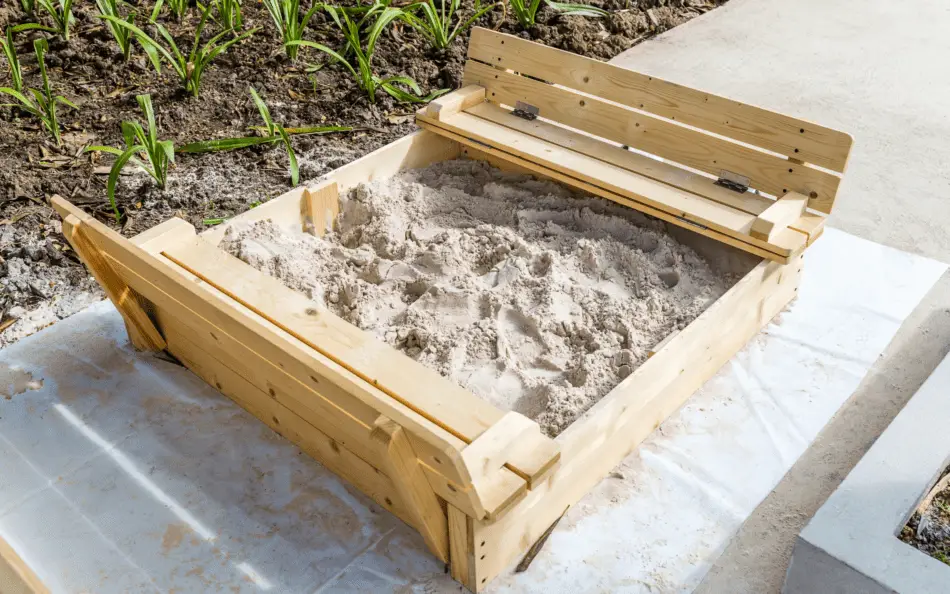
A sandbox is a box filled with sand that serves as a small playground for children. Since treated lumbers contain chemicals that are harmful to kids, it is not recommended to use them when building sandboxes. Thus, the best alternative is durable untreated wood with qualities that can resist exposure.
In this article, we will discuss whether or not you can use treated lumber to make sandboxes. We will then tackle the different types of woods you can use and those that are not recommended in building a sandbox. We will also talk about the protection of the sandbox from outdoor exposure.
Can You Use Treated Lumber for a Sandbox?
When making a sandbox, choose a kind of wood that can deter decaying, warping, and breakages. Treated lumbers are made to resist several damages that a natural tree may undergo with the use of harmful chemicals. This kind of wood is not suitable for a sandbox as the chemicals can put your kids in danger.
Treated wood is mainly cured to preserve its quality and prolong its lifespan. The chemicals infused on treated wood are specifically made to ward off insects and prevent rotting. Some treated woods are also infused with fire retardants, which intercepts fire.
Sandbox, on the other hand, is specifically made for children to play in. It is filled with sand that can lure kids to play in it to distract them from gadgets at home. Since children will stay and play in this space, there are several precautionary measures you should observe to make this area safe.
Treated wood contains chemicals that may harm children. So, if you are wondering whether or not you can use treated wood for sandboxing, the answer is yes, but, in terms of children’s safety, the answer is no. Although, sandboxes require wood can withstand rot-inducing situations like getting wet.
Some people use strong, natural woods to build their sandboxes. Examples of such woods include cedar, redwood, and fir. Cedar is known for enduring stains, while redwood can withstand decaying caused by water or moisture. You can use fir wood and apply non-toxic paints to ensure your kids’ safety.
If looking for natural woods, you can turn to non-toxic paints to avoid using treated lumber. This is a good alternative to prolong the wood’s life. However, before buying non-toxic paint, make sure to consult an expert regarding the ideal paints that contain no harmful chemicals.
Apart from paint, you can also use safe sealants or finishes. These are sold in stores, but you have to ask for the precautions before considering buying some.
Sandboxes make one of the most enjoyable activities for children. Playing in a sandbox helps develop kids’ sensory, motor, cognitive, social, and emotional skills, which are fundamental to their growth. If you are building one in your backyard for your kids to enjoy, you need to know about the best sands for sandboxes.
Best Wood to Make a Sandbox
Aside from treated wood, there are other alternatives to make a sandbox that is durable and safe for kids. These are redwood, cypress, cedar, heartwood, Ipe ironwood, and black locust. These woods can withstand harsh weather conditions, rotting, warping, and splintering when exposed outdoors over time.
In making a sandbox for your kids, you should consider first the type of wood you are going to use. Since treated wood is not a good material as it contains harmful chemicals, there are still types of wood that can resist rotting and damage. Without using chemicals, you can still guarantee longevity and durability from natural woods.
1. Redwood
Redwood is undeniably a strong material that you can use for sandboxes. It is durable in terms of resistance to water, moisture, insects, and rot. This kind of wood is usually used to construct furniture, fences, and many other types of structures.
Although redwoods are beautiful types of wood, you may encounter disadvantages if you choose to build a sandbox using this kind of wood. Indeed, redwood’s soft quality is the major downside you need to keep in mind. This kind of wood is indeed prone to denting and may decay over time.
Redwoods’ colors remain bright for a long time compared to other types of woods. Since you are going to build the sandbox outdoors, redwood is highly recommended to prevent termites and deteriorations due to external exposure.
2. Cypress
Cypress is one of the ideal woods to create sandboxes due to its natural features. Even though it is said to resist warping, we can’t say it is durable if it gets wet and is left outside for a long time. Although, cypress is sturdier than other types of woods.
As previously mentioned, sandboxes are set outdoors, and thus, are sensitive to several natural elements, the first on the list being rain. Although cypress is a durable material, the only problem with it is its vulnerability to bending if you are unable to dry it properly. If we consider these disadvantages, we place cypress on the last spot of our recommended woods to construct sandboxes.
The physical features of cypress are undeniably attractive, and this wood isn’t that bad, as you are just advised to maintain and oversee its structures. As opposed to other types of trees, you can use this one to make sandboxes.
3. Cedar
The first advantage you can get from this type of wood is its price, as it is less expensive than cypress and redwood. Although, cedar’s cost does not affect its amazing qualities.
Cedar is strong and not inclined to wood splinter, which is common with other woods. It is also the ideal material for outdoor exposures as it can resist several natural elements. However, this wood is prone to scratches and requires braces to make its hold strong.
We highly advise you to maintain cedar wood from time to time. To do so, you may use non-toxic sealants to ensure its longevity and durability. Although these are available on the market, make sure to consult the seller to check whether or not the sealants in the store are non-toxic.
4. Heartwood
If you are seeking a cheap option for cedar, heartwood is another good choice. As its name, “heartwood,” suggests, this wood is extracted from the heart or center of the tree. It comes from a variety of grades that you can use for the specific construction of a structure.
Now, what’s the unique thing you can get from heartwood? This type of wood contains natural chemicals that resist rotting, meaning that heartwood can endure outdoor exposure and withstand the effects of wood-attacking insects.
The “heart b” grade of heartwood is the ideal type to use when building sandboxes. As for their colors, heartwoods are darker than the sapwood part of a tree. Finally, heartwood has a rich color that is more unique than the shade of sapwood.
5. Ipe Ironwood
In terms of hard qualities, Ironwood is one of the best woods. This kind of wood is durable as it can resist any kind of weather, warping, and splinter. Since it can withstand several natural elements, we recommend it for your sandboxes.
Some other people use this wood for shelter, and even for medicinal purposes. That means this wood has a wide range of capabilities besides its natural durability. If you are looking for wood to make sandboxes, ipe ironwood may work for you.
Since sandboxes are left outdoors, you need dependable wood that can resist the effects of rain and moisture. Luckily, ipe ironwood can endure extreme weather conditions. It is the ideal wood to build a sandbox and guarantee its longevity.
6. Black Locust
When it comes to strength and stability, Black locust is a top contender. This wood is known for its resistance against decaying and durability. It is also commonly used to make furniture and other structures that require materials with weather-resistant abilities.
Therefore, you can also use black locusts to build sandboxes. This wood can guarantee you longevity and can definitely sustain any kind of outdoor exposure. If you are seeking long-term sturdiness, this may answer all your needs.
Black locusts also have anti-fungal qualities that help extend the lifespan of the wood. This wood can live for more than 50 years.
Type of Wood that Isn’t Recommended to Build a Sandbox
On the other hand, we don’t recommend using treated woods to build sandboxes because they are harmful to children. These types of woods are treated to resist several factors that can deteriorate wood. Durable and weather-resistant untreated woods are the best options as they don’t possess toxic chemicals.
Treated wood has undergone a treatment process with chemicals mainly to make the wood resist decaying and repel insects that can cause it to rot. There are two types of treated wood: preservative-treated and pressure-preservative-treated woods. The pole type of this wood can live for up to 40 years, while the floors and planks can last up to 10 years.
The longevity of the treated wood also depends on how well you maintain it. Aside from the maintenance, the climate, temperature, and usage also affect its lifespan. Another factor that contributes to its longevity is the type of wood used to receive treatment.
Since we recommend using untreated wood to avoid harmful effects on your children, you should also know the qualities of strong wood to use for a sandbox. First, look for a type of wood that can resist weather and rot. As your sandbox will be exposed outdoors, you should look for a wood that can withstand the rain.
Sandboxes are a lot of fun for little kids. However, cleaning them is not as fun as playing in them. One of the things that you will have to deal with when it comes to sandboxes is wet sand. If you don’t want to go through the hassle of drying a lot of sand, we have a guide to keeping water out of your sandbox that you can follow.
Cover the Sandbox
To ensure that your sandbox will remain uncontaminated, you should cover it when not in use. If you leave the structure open, it will be exposed to natural elements that could cause the wood to deteriorate and fade in terms of quality. Aside from the protection of the materials, sand also plays a crucial role in this structure, so you should leave it dry and clean.
Tarpaulins and plastics are good options to cover your sandbox. These materials can resist water and are non-absorbent. Such qualities can guarantee you the longer lifespan not only of the sandbox, but also of its cover, even if exposed to the rain and heat.
If you want to purchase a cover specifically made for sandboxes, you can buy one in toy and hardware stores. These covers are expensive, so if you want to invest in good quality, it won’t disappoint you. If you are looking for another cheaper option, know that plywood is also ideal.
Plywood is susceptible to warping and rotting, so you will probably need to replace it if the deterioration is starting to show. With such, you’ll spend money on a new one, which you may find very troublesome. It is recommended to have extra plywood to use and replace to avoid spending more money.
In some instances, you may forget to cover your sandbox before it starts raining. If that happens and the sandbox gets wet, avoid covering it immediately. Make sure to dry up all the parts, especially the sand, to prevent odors, possible unhealthy results, or danger to your kids.
Conclusion
Building sandboxes for your children can help divert their attention from their gadgets at home. It is a structure that allows them to play with sand, which also requires safety. When making a sandbox, you should pick untreated wood to avoid toxic harm from treated wood that may affect your child.
Before you buy wood for your sandbox, make sure the chosen wood is not treated. The small research for ideal woods we provided above can help you select the kind of wood that may satisfy your needs when creating your sandbox. As long as every material is safe, you won’t have to worry much.