
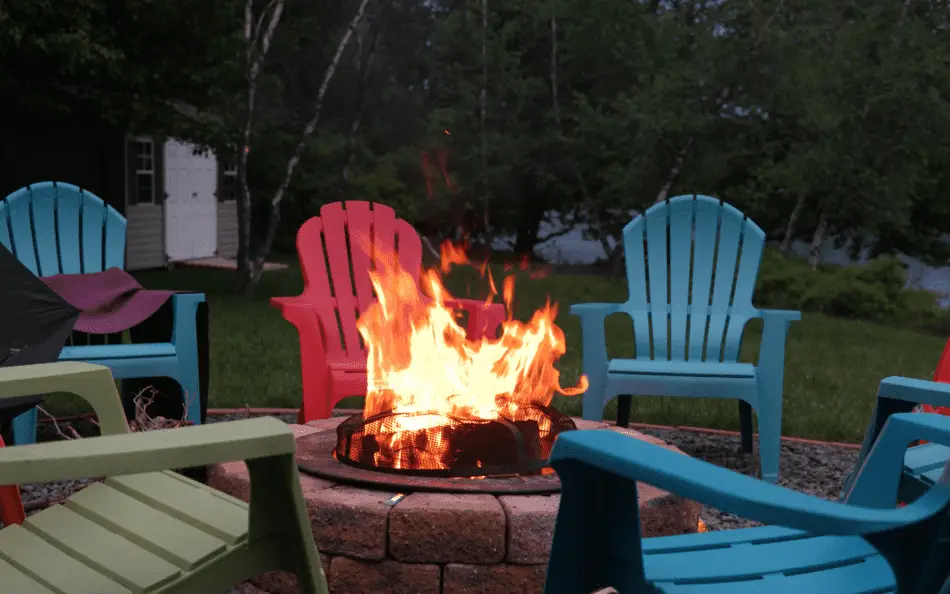
Outdoor fire pits are designed to operate safely in open-air environments. However, many homeowners wonder whether ventilation holes or airflow gaps are necessary for proper operation.
Yes, outdoor fire pits require proper ventilation. Whether wood-burning or propane, airflow is essential for combustion, flame stability, and preventing dangerous gas buildup.
Here’s what you need to know about fire pit ventilation and why it matters.
Why Ventilation Matters in a Fire Pit
1. Oxygen for Combustion
Fire needs oxygen to burn efficiently. Without adequate airflow, flames become weak, smoky, and unstable. Poor ventilation can cause incomplete combustion.
2. Preventing Gas Buildup (Propane & Natural Gas)
Gas fire pits require ventilation openings to prevent propane or natural gas from accumulating inside the fire bowl. Propane is heavier than air and can settle in enclosed spaces, creating a serious ignition hazard.
3. Reducing Smoke (Wood-Burning Pits)
Proper airflow improves combustion efficiency, reducing excess smoke and helping the fire burn hotter and cleaner.
4. Protecting Components
Heat and moisture trapped inside an unventilated structure can damage burners, gas lines, and metal housing over time.
Do All Fire Pits Have Vent Holes?
Most manufactured outdoor fire pits include built-in ventilation through:
- Airflow holes near the base
- Raised burner trays
- Open-bottom designs
- Side vent slots
If you are building a DIY fire pit, ventilation must be planned intentionally.
Ventilation Requirements for Wood-Burning Fire Pits
Wood-burning fire pits need air intake at the bottom or sides to feed oxygen to the flames.
Best practices include:
- Leave small gaps between base stones or bricks
- Use metal fire rings with pre-drilled airflow holes
- Elevate the fire bed slightly above ground level
Without airflow, fires struggle to stay lit and produce excessive smoke.
Ventilation Requirements for Gas Fire Pits
Gas fire pits require even more careful ventilation planning.
Key Safety Considerations:
- Vent openings in the enclosure (minimum two sides recommended)
- Proper clearance around propane tanks
- No fully sealed cavities beneath the burner
- Manufacturer-compliant installation
If enclosing a propane fire pit inside a stone or wood structure, ventilation panels must be installed to prevent gas accumulation.
What Happens Without Proper Ventilation?
- Weak or uneven flames
- Excessive smoke (wood pits)
- Carbon monoxide buildup
- Gas pooling inside the enclosure
- Increased rust and internal damage
In extreme cases, trapped gas can ignite suddenly when exposed to flame.
Indoor vs Outdoor Use
Outdoor fire pits should never be used indoors.
Even with ventilation holes, outdoor fire pits are not designed for enclosed environments. Carbon monoxide buildup in enclosed spaces can be fatal.
How to Check If Your Fire Pit Has Proper Ventilation
- Inspect for visible air holes near the base.
- Ensure there are no sealed compartments beneath the burner.
- Verify that gas enclosures have cross-ventilation.
- Follow manufacturer installation instructions.
If you’re unsure, consult a professional installer.
Final Verdict
Yes, outdoor fire pits need ventilation.
Airflow supports combustion, improves flame quality, reduces smoke, and prevents dangerous gas buildup. Most modern fire pits are designed with built-in ventilation, but DIY builds and custom enclosures must be planned carefully.
Proper ventilation is not just about performance — it’s about safety.