
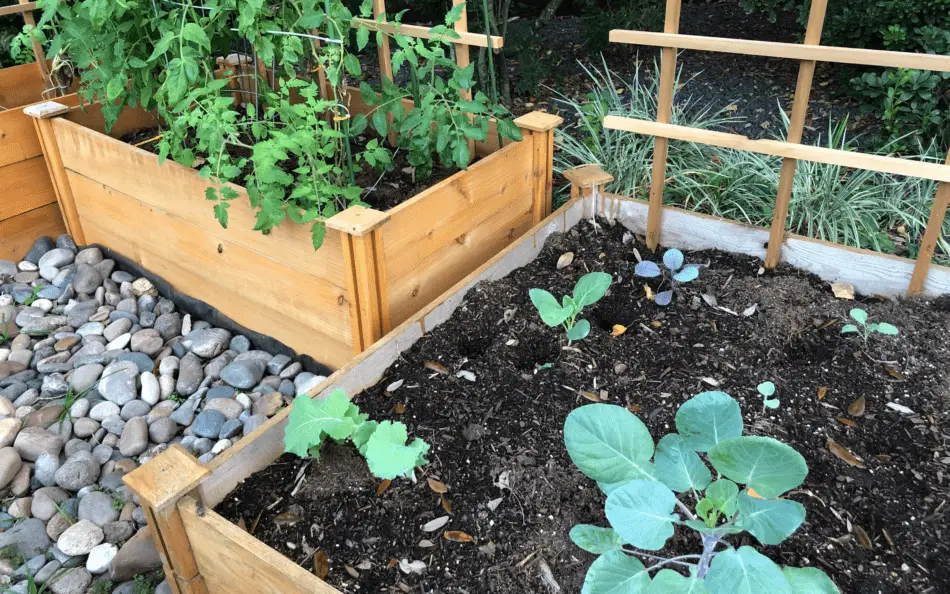
If you’re building a planter box for vegetables, depth matters more than most people realize. Too shallow, and roots become restricted. Too deep, and you waste soil and money.
Most vegetables grow well in planter boxes that are 12–18 inches deep. Shallow-rooted crops can thrive in 6–8 inches, while deep-rooted vegetables like carrots and tomatoes need 18 inches or more.
Below is a practical depth guide based on vegetable type, plus what to consider before building your planter box.
Quick Depth Chart for Common Vegetables
- 6–8 inches: lettuce, spinach, radishes, chives, green onions, herbs
- 10–12 inches: cabbage, broccoli, beets, snow peas, shallots
- 12–15 inches: cucumbers, oregano, parsley, basil, bok choy
- 18+ inches: carrots, tomatoes, peppers, corn
When in doubt, aim for 12 inches minimum for mixed vegetable beds. It provides enough room for most roots to establish properly.
Why Planter Box Depth Is So Important
Roots need space for three main reasons:
- To absorb nutrients efficiently
- To access water evenly
- To anchor the plant securely
If roots become restricted, plants may suffer from:
- Stunted growth
- Reduced yields
- Yellowing leaves (nutrient deficiencies)
- Early wilting
Even fast-growing crops can struggle in shallow soil once they mature.
Understanding Root-Bound Problems in Planter Boxes
When a planter box is too shallow, roots begin circling the confined space. This is known as being root-bound.
Root-bound vegetables often show signs such as:
- Slowed growth
- Smaller harvest size
- Difficulty absorbing water
- Leaf discoloration (chlorosis)
Deep-rooted vegetables like carrots and tomatoes are especially sensitive to shallow containers.
How Much Soil Should You Fill?
Always leave about 1–2 inches of space between the soil surface and the top edge of the planter box. This prevents soil from washing out when watering.
Over time, soil settles and compresses. Plan to top up your beds once or twice a year—especially in spring and fall.
What Depth Should You Choose If You’re Growing Multiple Crops?
If you’re planting a variety of vegetables in one box, choose a depth based on the deepest-rooted crop in the bed.
For example:
- If you’re growing lettuce and tomatoes together, build for tomato depth (18 inches).
- If you’re growing herbs and spinach, 8–10 inches is usually enough.
When unsure, 12–18 inches gives you flexibility for most vegetables.
Other Important Planter Box Considerations
1. Drainage
Planter boxes must have drainage holes at the bottom. Poor drainage causes root rot and prevents oxygen from reaching roots.
2. Soil Quality
Use well-draining, nutrient-rich soil. Raised beds perform best with a blend of compost, garden soil, and aeration materials.
3. Sunlight Exposure
Most vegetables need at least 6 hours of sunlight per day. Choose a location accordingly.
4. Structural Support
Deep planter boxes hold significant weight when filled with soil and water. Add internal bracing to prevent warping over time.
5. Height for Comfort
Consider raising the box height if bending is uncomfortable. Ergonomic gardening makes maintenance easier.
Final Recommendation
If you’re building a planter box specifically for vegetables and want the most flexibility, build it at least 12 inches deep. If you plan to grow carrots, tomatoes, or peppers, go with 18 inches.
Choosing the correct depth from the beginning prevents root restriction, improves harvest yields, and saves you from rebuilding later.