
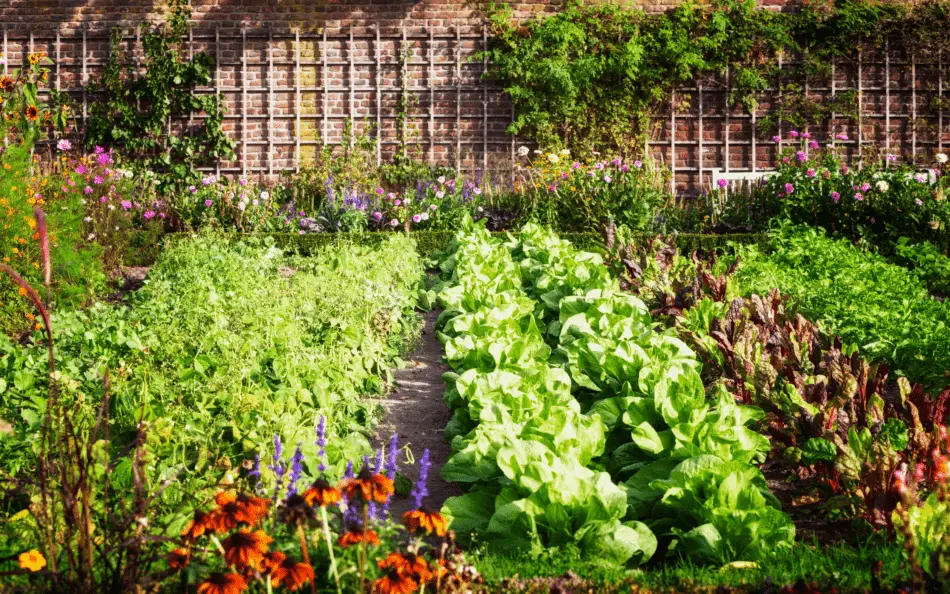
There are many reasons to spend time in a garden. It offers humans tremendous health benefits and is a recreational activity that makes you feel relaxed. But, did you know that there are ways to use your garden to make money?
If you want to make money off of gardening, you can sell your crops or make jam, soaps, and candles from flowers and herbs to sell. You can also try to open your garden for tourists and rent it. These simple ways are truly considerable and allow you to make money gardening.
In this article, we will discuss how to make money out of your garden. These helpful tips will lead you to make a profit out of your hobby. These ideas are scrutinized to give you the best techniques to make a difference.
Can You Make Money Gardening
Gardening is fun and rewarding. And yes, you can make money gardening! It’s all about strategy and passion. No matter how small or big your garden is, money-making possibilities await in your garden. Like most opportunities to make money, earning cash from gardening is a matter of creativity and focus to make your garden grow and become a sustainable money-maker.
If you love what you do and have those skills, then go for gold. Fortunately, gardening is somewhat cheap. It can save you money as it can provide you with food every single day, especially if you grow a majority of vegetables, root crops, and herbs. That being said, it’s a big commitment in terms of time and effort. And because of that, you are rewarded with an abundance of harvest.
With all the hopes and dreams of a bountiful harvest your garden could give, you can make a profit from it. Your garden can indeed be a big source of income. You may try some of the many outstanding and valid ways to make money from your garden. It will help earn extra money for the household and buy additional stuff to improve your garden.
Backyard gardening has enabled many people to create their own sources of food, minimize their stress level, improve their mood, exercise, maintain good mental health, create relationships and a community, and so many more. Here are 12 reasons why backyard gardening is important.
Ways to Make Money Gardening
If you want your garden to do more for you, learn to sell some of your crops. On the other hand, garden money-making will simply earn you a little cash. But, if you exert more effort and dedication, there will be no hindrance to your success. You can make it a sideline or a full-time job. This helpful guide will make a good start for you to run some extra sources of income.
Without further wait, here are the simple and absolute best and most brilliant ideas to make money from your garden.
Sell your plants
Selling your plants is probably the first thing you can do to make money out of your garden. Crops like vegetables and herbs are ideal to offer to your neighborhood or community. You may also grow fruits, root crops, and flowers, as those are potential plants to market. Since nice flowers are in demand in special events like weddings and funerals, you may also sell them to flower arrangers.
Sell your seeds
Once you start harvesting your crops, you already have seeds to save from your favorite fruits and vegetables. Then, it is time to start selling them and earn some money. Pack groups of seeds that grow or make seed bombs. It is important to package them properly and ensure that there is no damage. Seeds that people tend to buy are those directly sown into the soil. Plant seeds like beans, peas, squash, pumpkin, and corn are among those that do great when planted from seeds.
Sell fresh and dried herbs
Selling fresh and dried herbs is also a great way to make a profit. The sky’s the limit when it comes to herbs because many people use them in many ways, like for garnishing and home remedy medication. Herbs like thyme, basil, sprigs, and rosemary are commonly used in the kitchen. Plus, they’re easy to grow. Pack those in a sealed plastic bag or nice glass container that stands out to attract buyers.
Grow and sell mushrooms
Mushrooms are a considerable inclusion to your garden. They are a great food source for your family thanks to their high nutritional value and medicinal properties. Mushrooms can either be sold fresh or dried and have a high market value. Plus, mushrooms are easy to grow and flourish pretty fast. Research how to grow them and make a good profit out of them. Mushrooms such as oysters, shitake, and reishi are very in demand varieties.
Make compost
Compost enriches the soil naturally and is very important to every organic garden. You can make money by selling it as some people don’t have time to make their own compost. So, collect all fruits and vegetable peelings, dried leaves, leftover foods, and other compostable stuff and make a compost pit. These can be turned into excellent organic fertilizer for the garden, and homemade compost is much better than commercially sold compost.
Sell seedlings
Make seedlings out of your crops to sell. Put your garden skills in propagating seedlings to make money. Selling seedlings is probably the easiest way to make extra money because many gardeners prefer seedlings rather than planting crops directly from seeds as they are already grown and quite sure to succeed. Plant seedlings like peppers, tomatoes, herbs, and flowers sell very well.
If you are an avid consumer of vegetables, it may be a good idea for you to transform your backyard into a vegetable garden. This way, you will have your own source of produce and you will be able to partake in an activity that is good for your physical and mental health. To help you get started, here is a guide to turning your backyard into a vegetable garden.
Make preserve jams
You can make jams from the abundant fruits you harvest. It is a profitable sideline that anybody can make. Plus, you will just invest a small capital because the main ingredients come from your garden. Nowadays, food processing has started receiving a great deal of attention on the market.
Open for garden tours
If you have a huge, beautiful, and well-maintained garden, you may open it to the public for tours. Most people will pay to see it. Of course, you will charge them for invading your space. The elegance and good ambiance of a garden deserve the praise and appreciation of others. Plus, it gives other people a place to enjoy and relax. In addition, you get a chance to offer your guests products produced from your garden.
Start a gardening blog
Those who are experts in gardening can share their tips and ideas through blogging and earn money through it. You can write and share about your personal experience with gardening in all aspects. Blogging is a sure way to make money. There are many websites where you can get paid to write gardening blogs. Do some research to get tips on how to start blogging.
Make and sell soaps and candles with flowers and herbs
Did you know that you can use flowers and herbs to make handmade and organic soaps and candles? Herbs like rosemary, parsley, thyme, oregano, and sage can create an amazing aroma. Meanwhile, flowers such as lavender, jasmine, patchouli, rose, ylang-ylang, and chamomile bring astonishing scents to the soaps and candles.
Nowadays, people prefer using organic products, so if you can make such soaps and candles, you will make a profit. Although this option is a bit complicated, you can certainly research how to make these products — you will never regret it.
Sell pictures of your garden
Do you have a talent for photography? If so, you can make money by selling pictures of your beautiful garden. Take pictures of your plants, flowers, herbs, seeds, fruits, and garden area. Nice shots will potentially attract buyers. These images are in demand among advertising companies and websites. Thus, send your pictures to websites that buy photos to sell as stock images and prints. Again, research is the key to reach these sites.
Sell cuttings
Like seeds and seedlings, you can also sell plant cuttings for extra cash. You will only need your plant’s cut-out, water, soil, or another growing medium, and sometimes, rooting powder. It requires a small area, as well as a little patience to begin with. You may find the best and easiest plants to propagate online.
Open your garden for rental
Renting your garden will earn you a big income. Outdoor events are getting popular nowadays. Letting people connect with nature is what they like. Some people like to hold events in open areas to feel relaxed and comfortable. Beautiful and wide gardens are ideal for events like birthday parties, weddings, photoshoots, and showers. Lovely plants and pretty flowers are the perfect natural background for pictures and videos.
Conclusion
Did you ever imagine you could make extra money while gardening? Well, now you do already realize that there are some treasures in your yard. Gardening can be more than just leisure; it can be a full-fledged career. Although it will take some trials and errors on your part, it is a great opportunity for a profitable venture.
Find out where you are good at gardening and get amazed by yourself and your success. The possibilities to earn money out of your garden through your efforts and devotion are limitless. Lastly, and most importantly, the best way to make money is by doing something that you love.