
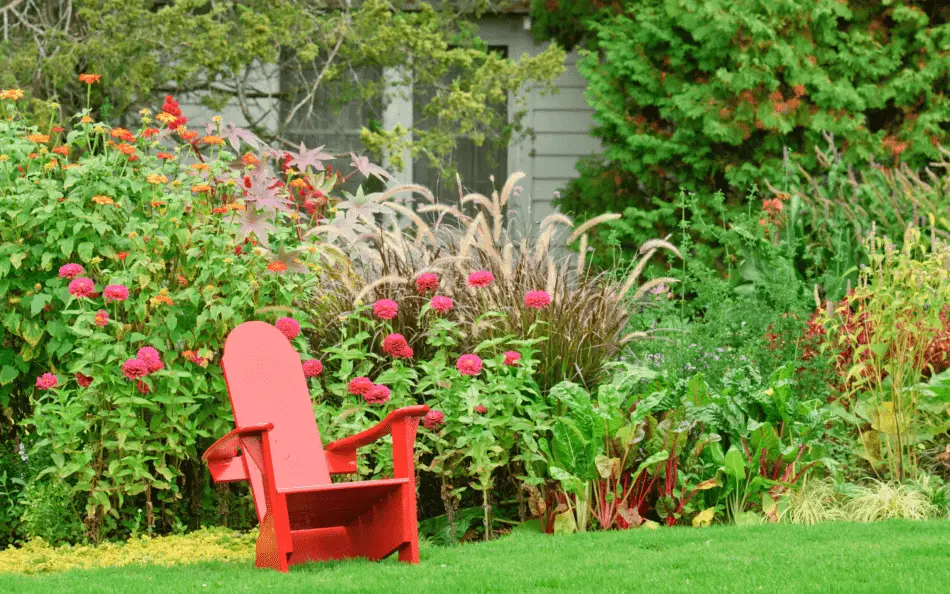
A garden is usually a planned outdoor space with plants and other forms of nature. It can include both artificial and natural materials. Spending time in your garden allows your family a chance to work and bond together. However, not all of us have time to spare to manage a garden as we are busy with our respective jobs. Thus, a low-maintenance garden is an ideal option to maintain the beauty of your place.
Creating a low-maintenance garden is a perfect idea for people who are busy with their respective responsibilities. As you work your way through the steps of creating a low-maintenance garden, you first need to explore your area to begin the planning and select the perfect plants that can thrive with less care. In addition, consider the mistakes you need to avoid when making a low-maintenance garden.
In this article, we will discuss how to make your garden low maintenance. We will also tackle the things to consider to achieve a low-maintenance garden and the tips and steps that will help guide you to fulfill your needs.
Tips to Create a Low Maintenance Garden
Do you like a beautiful garden but don’t have the time to maintain it because you are busy at work or with so many household chores? Luckily, you can have a fantastic garden and only spend a little of your time on maintaining it. We will tackle everything you need to know to start setting up a low-maintenance garden without compromising the appearance and comfort of the space.
A low-maintenance garden doesn’t mean you need to pave every single thing. All it takes is a few smart choices and a bit of planning. Here are some helpful tips you might consider.
Examine your garden soil
Before choosing the perfect plant for your garden, you need to be aware of your garden soil. The soil is an important matter in the health and well-being of your plants. It is the foundation of your garden. Conducting a soil test is a great way to determine the type of soil you have at home.
With this, you will know what plants to choose and the exact fertilizers and amendments to apply. Improving your soil by enriching it with compost is a substantial way to enhance its quality.
Plan the layout of your garden
Start by thinking about where you hang out most of the time in your garden and where you don’t, and focus your plan on the areas where you don’t spend a lot of time. Also, survey your place to find out what area gets the most water and sunlight so you can decide what kind of plants you need. Exploring your area will help you determine what the right things to put up to acquire your desired low-maintenance garden settings are. A well-planned garden is easier to manage and saves more time than an unplanned one.
The right plants in the right places
Make sure the plant you choose is placed in the right spot to keep your garden running smoothly. It is best to know where you are going to place it before buying it. Choosing a low-maintenance plant that will thrive in your soil is a great choice to stick to the plan. The fewer plants you possess, the less effort and time you exert. Sticking to a maximum of two types of plants will cut down the amount of work.
Plant perennials
As we know, perennial plants live more than two years and take their time to bloom. Nevertheless, they mainly take care of themselves. Perennials have a deep running root that enables them to access nutrients and water. In that case, they don’t need proper attention.
That makes them perfect plants to grow in a low-maintenance garden. Consider planting salad burnet, British gooseberry, wild rocket, and sorrel as these perfect perennial plants will fit in your garden.
Mulch
Mulch is a great help when it comes to watering and weeding as it brings a double purpose. It helps suppress weeds and conserve water. When you put a 2-inches thick of mulch around your plants, it will block the sunlight from penetrating the soil and stop the weed seeds from sprouting. It also helps hold back moisture in the soil.
Making a gravel path up to 4 to 8 feet wide is also a great idea. The finest type of mulch to use will depend on your garden’s site. Natural mulches are the best alternatives for almost all gardens. However, in certain circumstances, inorganic mulch, such as stone or pea gravel, is a better choice.
Make water system
Water is essential for most plants and a vital aspect to consider in a low-maintenance garden. Thinking of a way to cut off your time in watering is a great way to ease your chores. The best way to water a low-maintenance garden is to use an automatic sprinkler system. It saves your time to drag the hose and saves money as it uses less water than watering by hand.
Another easy way to water is using a soaker hose. It should be placed below the surface of the mulch. It can wet the soil slowly and evenly. Another option is to install a rainwater harvesting system to collect water from the roof of your house. It is amazing to make use of natural rainfall water to sustain your garden.
Consider hardscaping
Adding hardscaping brings functionality and beauty to your home. Hardscapes are naturally low-maintenance elements in your garden that lessen the necessity for mowing, watering, and pruning. The more non-living objects a garden has, the less maintenance the area will require. Replacing your lawn with paving and lessening the number of plants in favor of walkways or patios are considerable objectives.
Backyards are not just spaces filled with grass and plants. They are places where we can relax and unwind, a place for children to play and grow, a spot to enjoy outdoor activities with family and friends, as well as a source of food and nutrition. Read our article and discover the 4 reasons why backyards are important.
Mistakes You Need to Avoid in Low-maintenance Gardening
Gardening improves both your mind and body as seeing your garden with beautiful flowers and plants offers a sense of satisfaction. It is a relaxing and stress-relieving activity that provides enjoyment. It also offers a form of moderate outdoor exercise. Overall, a garden is a great place to escape and to chill out just right in our home.
However, some of the things we do harm our garden without us noticing. Here are some of the most common mistakes.
Ignoring your plants’ needs
Do not place plants that love the sunlight in shady areas and vice versa as they won’t thrive. Before planting anything, make sure to choose a plant that suits your garden’s soil and will thrive in the local weather conditions.
Using plants as means of food for gastropods
Snails and slugs unfold to eat about everything. They are carnivorous, herbivorous, omnivorous, and detritivorous — they eat decaying plants and animals. They will delightfully invade your garden if it is their haven. Refrain succulent-leaved plants and prefer natural gastropod repellent plants like cyclamen, bellflowers, lavender, and rosemary.
Planting plants that require artificial support
A great illustration of vegetation that needs support is a climbing plant. This kind of plant is hard and delicate to maintain. It can rapidly grow uncontrollably and suppress the neighboring plants. A few examples of these plants are ivy, delphinium, honeysuckle vine, and clematis.
Staining and painting your outdoor furniture and fences
Staining or painting creates a barrier that prevents moisture from damaging your furniture and fence. It adds elegance and attraction to your garden. But talking when it comes to low-maintenance gardening, this is impractical because, after some time, you have to repaint or restrain it all over again to preserve its look. So, it is effortless for you to leave and maintain the natural color of your outdoor furniture and fence intact. Besides, it is so good to see the authentic beauty of such raw materials.
Steps in Creating a Low-maintenance Garden
Making a garden may sound easy but there are considerations you must keep in mind. To achieve a low-maintenance garden, you must follow the few following steps.
1. Build a functional outdoor living area
A deck or patio extends your home and can increase the value of your space. It is a great way to take up more outdoor space as you aim for a low-maintenance garden. Your imagination and artistry will guide you to create an appealing place for everyone to spend more time outdoors.
Besides, a dining table, stone fire pit, or grilling area will add more angle to your place. You will have an extra spot for family bonding and to cater to friends. This also means that you will have a lot of space to entertain guests when you hold parties or events at home.
A functional outdoor living area means more room to occupy the space in your garden. Nevertheless, you now have a smaller spot to dedicate to plants in your area which means less work, and more satisfaction.
2. Build a level and strong foundation
A durable and sturdy landscape requires a strong and leveled foundation. Whether you choose bluestone or crushed stones, a tough understructure is essential. First, lay a six-to-eight-inch layer of crushed pea stones before settling bluestone or crushed stones as the top layer of your deck or patio.
This first layer will serve as a key to make you save some time and disappointment in the long run. The pea stone layer will produce a level and strong foundation for your project as the stones begin to settle into place. A thick layer of crushed pea stones is more than enough to suppress the invasion of weeds from growing, which makes your area well-kept and pleasant.
3. Landscaping with bluestone
Bluestone is all-natural, tough, and durable. Its natural earthy color is attractive and matches any setting. It is a popular paving material as it brings elegance to your place and can be used both inside and out. It makes your garden look even more beautiful and suitable for rustic or modern styles.
Bluestone is available in several gorgeous colors, from pink to white, orange, brown, grey, and more, that will fit different types of gardens. The all-natural rough texture of the surface it characterizes feels good to bare feet and won’t get slippery. Even in hot weather, the stone remains cool.
Though it is expensive, it is an amazing material to use to expand your outdoor living area and lessen plant life. Moreover, it is very low maintenance, which is what we are looking for. If bluestone is too pricey for you, you can use crushed stone as an alternative.
It is not that expensive and can fulfill the same role as bluestone, though it may not be comfortable to step on. Crushed stones in large slabs can be used as pathways and will extend your patio or deck without costing you a lot of money.
4. Border your garden beds with mulch every spring
Mulch is a low-maintenance layout that suppresses weeds and conserves moisture. Organic mulch not only deters weeds but offers important benefits, like soil protection and moderates soil temperature. However, over time, organic mulch slowly decomposes, releases nutrients into the soil, and boosts its quality.
Although mulch is cheap, you need to replace it once a year to restore the refinement of your beds and make them look good and tidy. In addition, organic mulch brings out a pleasant smell of wood that your family and guests will enjoy while hanging out on your deck or patio.
5. Plant lavender near your deck or patio
Lavender has many uses. It is a great addition to your garden as this perennial plant can last for years under the right conditions. Lavender is an easy plant to grow as it only needs weekly watering in areas with enough rain. It is not only a low-maintenance plant, but it provides sweeping drifts of colors from summer to fall.
Lavender is a perfect choice to plant near your deck or patio, where you spend most of the time and hang out with your guests. It is very beautiful to stare at and infuses a pleasing aroma that simultaneously serves as a pest-repellent.
6. Choose a great selection of perennials
Beginners and expert gardeners prefer low-maintenance perennial plants to make the chores easier. It is very nice to see your garden thrive as they bloom year after year. With these, you won’t have to redecorate for the whole year round. For all the beauty they provide, perennial plants only require minimal care.
Make gardening effortless with the selection of low-maintenance perennial plants, and fill in the space to give your deck or patio a bloom of life. Yucca is a perfect houseplant as it is slow-growing, pest-resistant, and drought-tolerant.
Hen-and-chick is a succulent plant that should rarely be watered and doesn’t need much fertilizer. Some other perennial plants that suit your place include basils, rosemary, and marigold, to name a few.
7. Pick easy-to-grow flowers to add some colors
Easy-to-grow flowers will help you gain confidence in your garden. Research which flowers are not difficult to grow. You must also consider your local weather conditions and choose a selection of flowers that bloom at different times of the year to maintain the flourishing colors of flowers all over your place.
Deciding on a perennial flower is the best option so you don’t have to replace it over the year. Perennial flowers that bloom the whole year are an impressive alternative, so you will have a long-standing blend of colors that bloom throughout the year. Some of these include Montauk daisies, black-eyed Susans, and coneflowers.
8. Choose native grasses or prefer no-grass entirely
Grass is often needed in an outdoor living area. But if you are not yet ready to switch for artificial grass or shift to stone pathways and mulch, make sure to select a grass that is native to your place. Grass that grows naturally at your place only needs low maintenance to prosper.
A no-grass layout is undeniably the lowest-maintenance choice. Therefore, artificial grass or other grass alternatives cut off the work to undertake in your deck or patio. Upon choosing artificial grass, make sure to carefully follow instructions for installation and create a weed barrier to prevent weeds from invading your artificial ground matting.
9. Use potted plants to add more colors
Growing plants in containers is popular nowadays. Potted plants are extraordinary for many reasons. First, development and innovation in this way can resolve the food crisis. Including potted plants on your deck or in your patio makes the whole setup flexible. As they are fewer maintenance arrangements, they are very easy to move around and can be placed anywhere to add decorations whenever you hold events at home.
Planters not only serve as homes for your plants, but they can also be a form of aesthetic addition to your garden or backyard. Out of all the available planters in the market today, we have selected the best outdoor planters for your yard.
Conclusion
Everyone wants to have a beautiful garden, but eventually, it requires a lot of effort to maintain the beauty of landscapes. As most of us are busy with our jobs and errands, we only want to have a rejuvenating and rewarding garden to relax in after long hours of work. A low-maintenance garden is a perfect way to lessen chores. However, always remember that you still need to maintain the elegance of a garden.
Creating a garden that can thrive independently or with only a small intervention is a great idea. We all want to enjoy our gardens, and not to be a slave to them or feel like they are a burden. Low-maintenance gardening is all about making wise choices so you have more time to spend with your family.